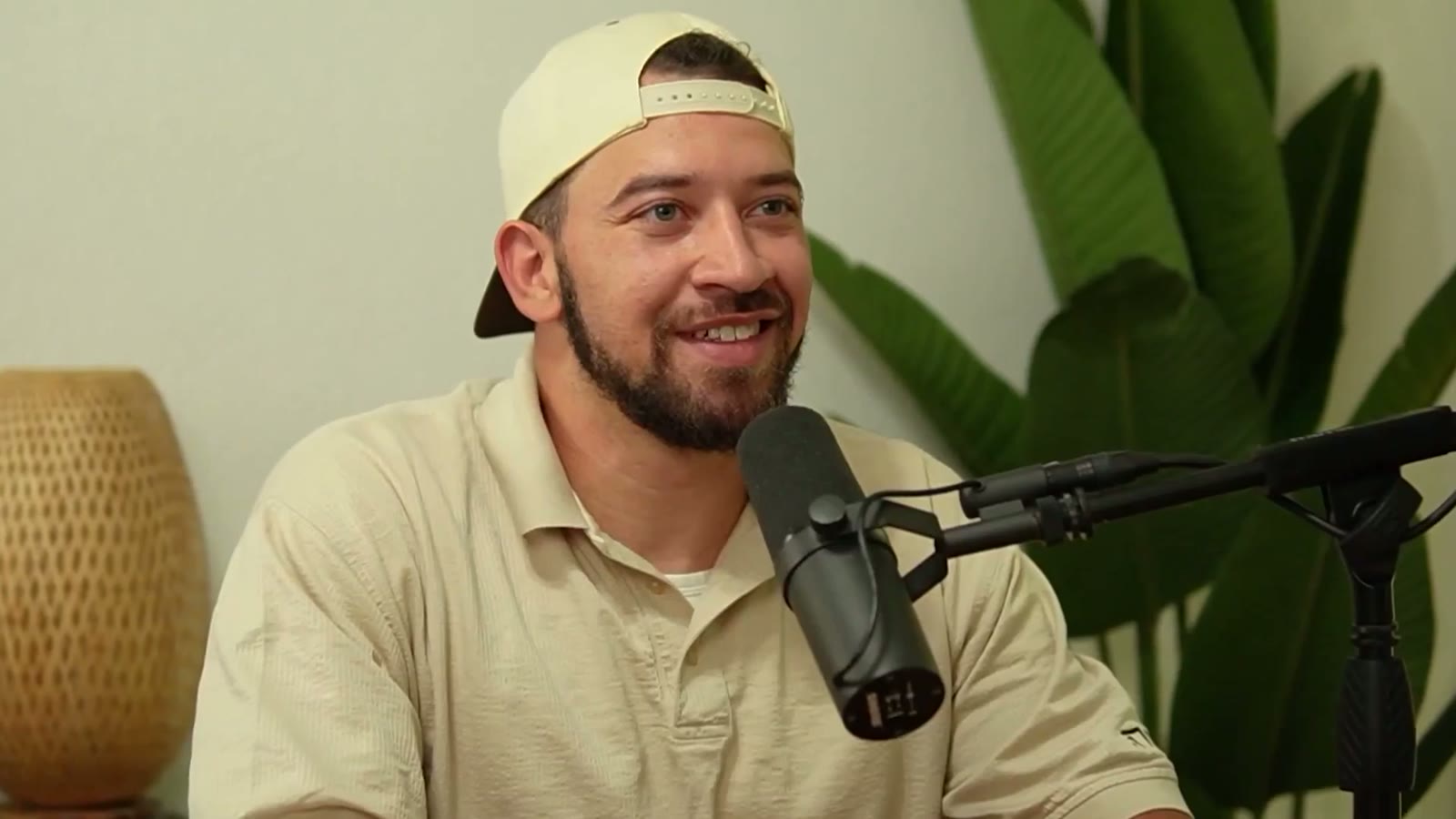
A talking-person video brief needs to distinguish visible faces, speaking activity, and the soundtrack actually heard. Share whether the project involves analysis, interaction understanding, or another specific use. Fiund reviews prospective footage and supporting documentation for that intended scope instead of assuming all uses follow from access to a recording.
Describe framing over time
Specify single-person views, interviews, group discussions, gallery layouts, and screen sharing. State whether the active speaker must remain visible and whether upper-body gestures matter. Include minimum useful face detail and acceptable occlusion. Review complete intervals rather than selected frames, because automatic camera switching and presentation segments can change the visual evidence substantially within the same session.
Keep identities and tracks honest
Define speaker labels, visible-person tracks, and uncertainty rules without assigning identities unsupported by the source. Inspect audio against visible speaking activity and note voiceovers, dubbing, or off-screen participants. If isolated tracks are proposed, confirm their actual content and alignment. Preserve exact version references so transcripts and face-related annotations do not drift away from the delivered picture and sound. Keep analysis labels separate from identity claims. A temporary speaker number can organize a conversation without asserting a real-world identity or implying permission for any broader person-specific use.
Scope samples and intended use
Request representative exchanges with ordinary pauses, interruptions, and reactions. Review source and participant-related documentation appropriate to the project, including the distinct requirements of any proposed voice or likeness use. A public interview is not a universal permission statement. Fiund discusses availability, samples, commercial scope, and delivery details per project without promising stock footage or blanket authorization for generation.
Include in your inquiry
- Recording formats and active-speaker visibility.
- Face, gesture, and camera-layout requirements.
- Speaker labels, tracks, and uncertainty conventions.
- Specific intended use and documentation for review.